

Discovering the Benefits of Spinal Decompression for Chronic Pain Relief
Chronic pain can be an overwhelming challenge, affecting daily life and overall well-being. In recent years, spinal decompression has emerged as a popular treatment option for those suffering from relentless back and neck pain. Let’s explore how this therapeutic technique can bring relief and potentially transform your quality of life.
Understanding Spinal Decompression
Spinal decompression is a therapeutic strategy designed to relieve pressure on spinal discs and nerves. This method involves gently stretching the spine, which can promote healing and alleviate pain. In essence, it focuses on creating space between the vertebrae, facilitating the movement of nutrients and moisture back into the spinal discs. By doing so, spinal decompression aids in restoring the spine’s natural alignment and function. Many people liken the experience to a refreshing stretch after a long day, relieving tension and promoting a sense of well-being.
An interesting aspect of spinal decompression is its adaptability to various conditions. It’s precise enough to target specific areas of discomfort, whether it’s the neck, lower back, or other spinal regions. This flexibility makes it a valuable tool in a comprehensive pain management strategy. By understanding the underlying mechanisms of spinal decompression, patients can better appreciate the multidimensional approach it takes to alleviate pain and enhance quality of life without resorting to invasive procedures.
How Does Spinal Decompression Work?
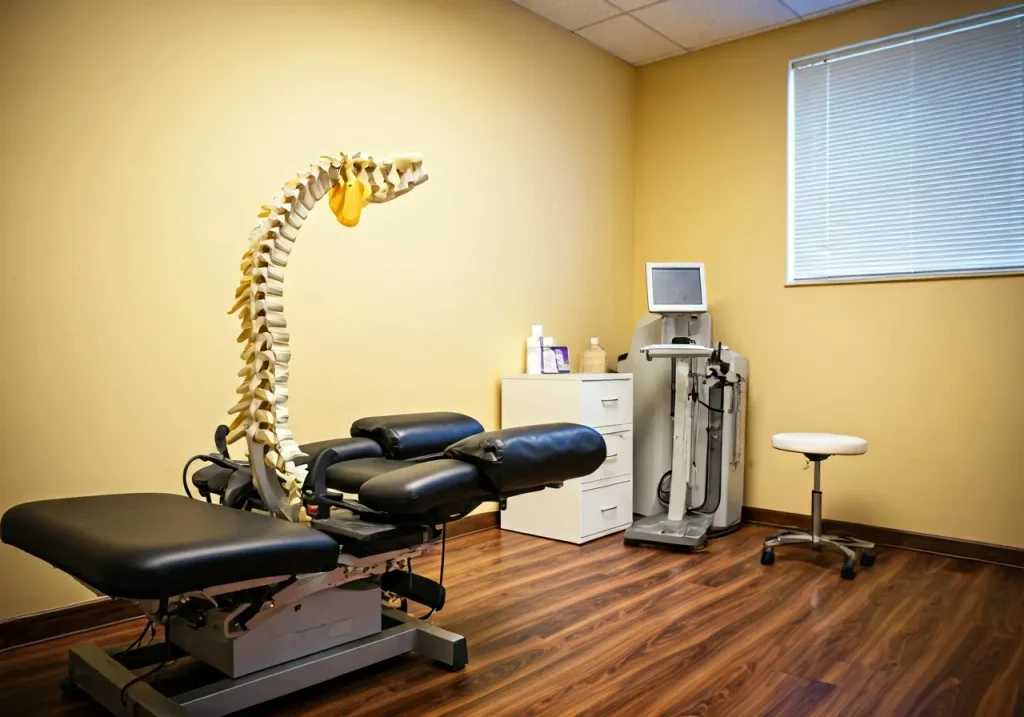
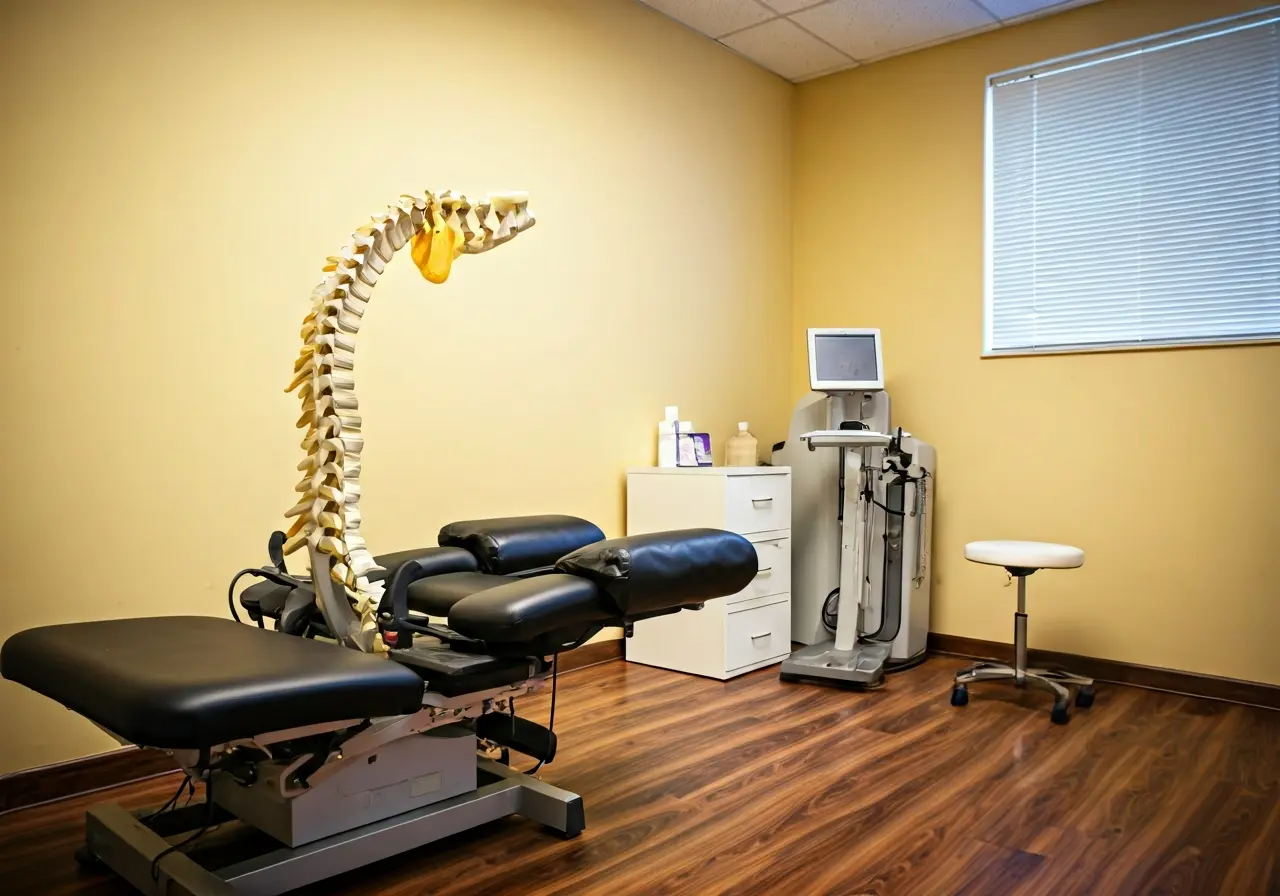
During spinal decompression therapy, a patient lies on a motorized table that gently stretches the spine. This process creates space between the vertebrae, allowing bulging or herniated discs to retract and reduce nerve compression. The meticulous adjustment and controlled movements of the therapy help in improving circulation to the affected areas, promoting faster healing. Each session typically lasts between 30 to 45 minutes, providing ample time to target specific regions and adjust treatment according to the patient’s response.
Spinal decompression therapy is tailored to individual needs, emphasizing comfort and personalization. The motorized table can be adjusted to specific angles, ensuring the treatment targets the root cause of the pain. Many practitioners use advanced technologies to monitor the process closely, ensuring optimal results. Ideally, the treatment plan includes a series of sessions over several weeks, fostering gradual improvement. The slow, steady approach remains pivotal to its success, avoiding abrupt changes that might exacerbate the issue.
The Benefits of Spinal Decompression
Spinal decompression can provide significant pain relief, improve mobility, and promote natural healing. It is a non-surgical option that benefits those with herniated discs, sciatica, degenerative disc disease, and more. Furthermore, the non-invasive nature of spinal decompression minimizes recovery time, enabling patients to gradually resume their daily activities with fewer interruptions. This is particularly beneficial for individuals engaged in physically demanding jobs or activities, as they can experience relief without extensive downtime.
In addition to alleviating pain, spinal decompression can also enhance overall spinal health. By easing pressure on the spine and encouraging the rehydration of discs, this therapy can aid in maintaining flexibility and preventing future issues. Patients often report improved posture and a general sense of well-being, contributing to a more active and fulfilling life. Moreover, because it is compatible with other treatments, spinal decompression can be integrated into a broader pain management strategy, including physical therapy and lifestyle adjustments, for optimal outcomes.
Who Can Benefit from Spinal Decompression?
Individuals experiencing chronic back or neck pain, particularly from conditions like sciatica, herniated discs, or spinal stenosis, may find spinal decompression helpful. However, suitability depends on each patient’s unique health profile. Those who engage in high-impact sports or have jobs requiring repetitive strain may benefit significantly from its preventive aspects as well. Nonetheless, it is crucial to undergo a thorough assessment by a healthcare professional to determine if decompression therapy aligns with their individual needs and conditions.
Just as spinal decompression can be a powerful tool for chronic pain management, it’s equally vital for those experiencing intermittent discomfort. Such individuals might find relief from occasional flare-ups, facilitating a sustained improvement over time. Tailored treatment plans are typically developed collaboratively with healthcare providers, ensuring that both the potential benefits and limitations are thoroughly explored and understood. Through open dialogue with practitioners, candidates can engage in informed decision-making regarding their care.
Potential Risks and Considerations
While generally safe, spinal decompression is not suitable for everyone. Individuals with fractures, tumors, osteoporosis, or certain surgical histories should consult their healthcare provider to ensure the treatment is appropriate for them. It’s also advised to be cautious if you’ve recently had spinal surgery, as healing tissues might not respond well to decompression methods. Detailed consultation with a medical professional is crucial to avoid any likelihood of exacerbating existing issues.
Potential patients should also be aware of possible side effects, which might include minor muscle strain or soreness after a session. It’s essential to weigh these considerations and discuss them with a healthcare provider, who can help assess risk versus reward based on the patient’s overall health and specific condition. Employing a cautious approach ensures that spinal decompression complements, rather than complicates, one’s pain management strategy.
Consulting with Your Healthcare Provider
Before deciding on spinal decompression therapy, it’s crucial to discuss the options with a healthcare provider. They can offer guidance on whether this therapy suits your condition and recommend a treatment plan tailored to your needs. This step is vital in ensuring that the treatment doesn’t conflict with other ongoing therapies or underlying health conditions. Furthermore, healthcare providers can help track progress and adjust strategies as necessary to maximize the potential benefits of spinal decompression.
Engaging openly with a healthcare provider fosters a collaborative environment where patients can voice concerns and preferences regarding their care. This communication is fundamental to developing a comprehensive plan that encompasses both medical advice and personal goals. Many patients find reassurance in knowing that their provider is actively involved in monitoring their progress and adjusting the treatment as necessary to align with their evolving needs.
Embrace a Pain-Free Future with Spinal Decompression
Spinal decompression offers a non-invasive solution for those seeking relief from chronic pain conditions. By understanding the process, risks, and benefits, you can make an informed decision on whether this treatment aligns with your healthcare needs. Always consult with a healthcare professional to tailor the best approach for your individual situation.
