

Can Spinal Decompression Therapy Improve My Quality of Life?
If you’re dealing with chronic back pain, you might have come across the option of spinal decompression therapy. It’s often presented as a non-invasive solution to relieve pain and improve the quality of life. But can it really help you live better? Let’s explore this therapy step by step.
Understanding Spinal Decompression Therapy
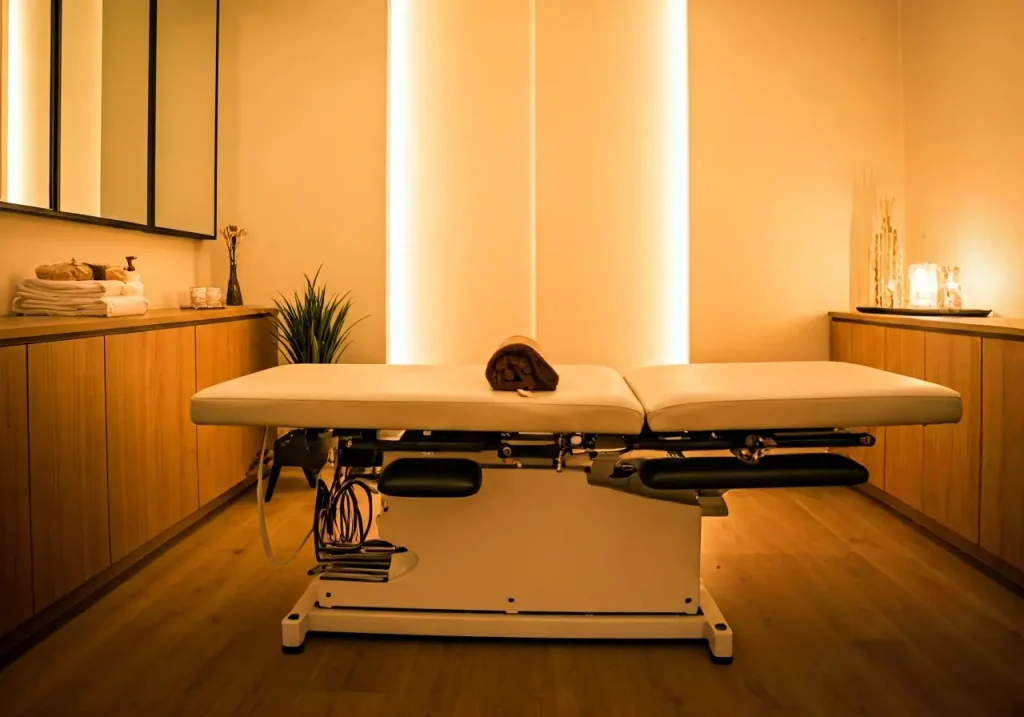
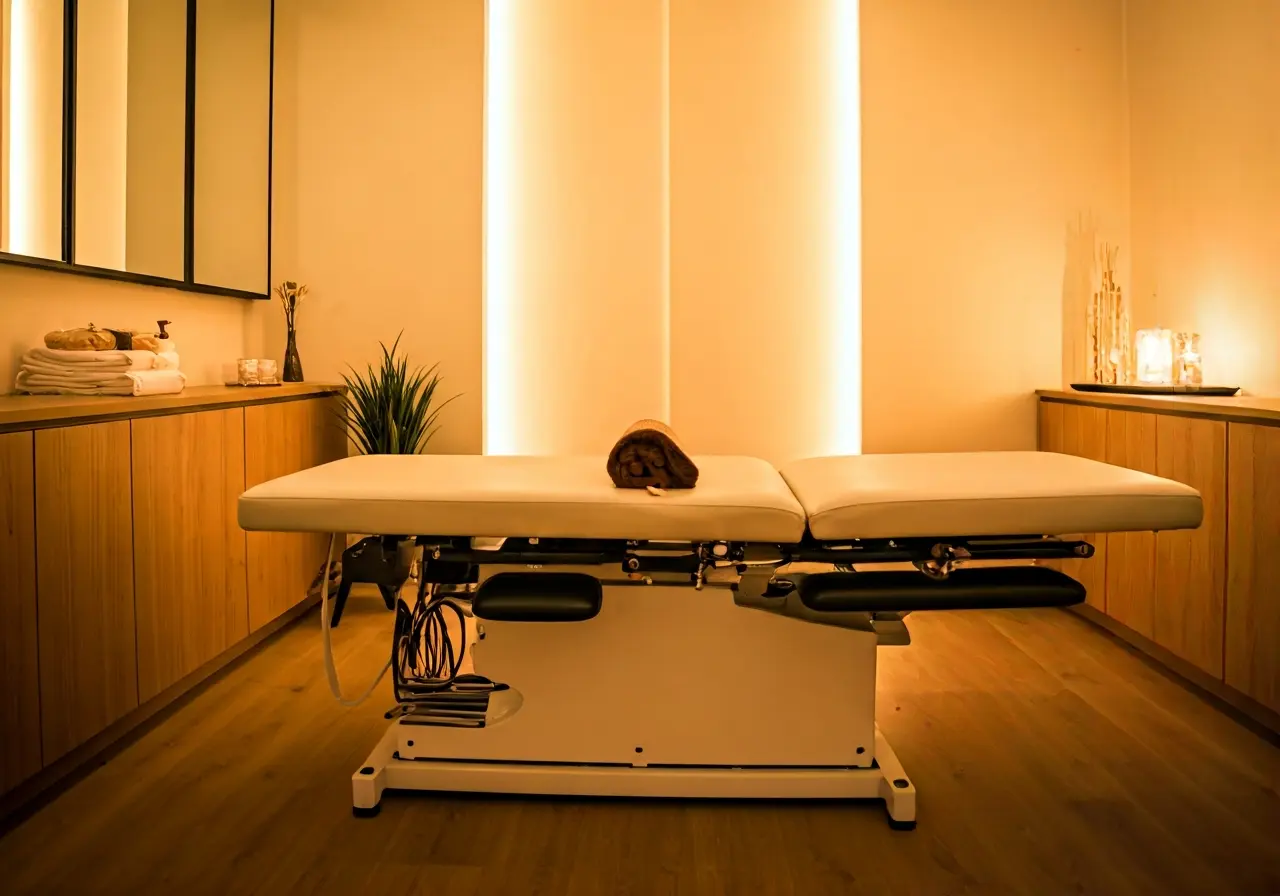
Spinal decompression therapy involves stretching the spine using a traction table or similar device, with the goal of relieving back pain and promoting better healing of damaged areas. It’s a non-surgical treatment aimed at providing relief to those suffering from chronic back pain.
This therapy is grounded in the principle that certain mechanical forces can lead to spine alignment, promoting natural healing processes. This means that even those who’ve struggled with persistent back issues might find hope in this approach.
In addition to its primary goal of easing back pain, spinal decompression therapy can also help alleviate pain caused by specific spinal conditions like bulging discs or degenerative disc disease. By taking pressure off these sensitive areas, it gives the spine a chance to heal naturally.
How Does Spinal Decompression Work?
The therapy works by gently stretching the spine, which changes its force and position. This change relieves pressure off the spinal disks, which are gel-like cushions between the bones in your spine. Consequently, it can help retract bulging or herniated disks and allow for better flow of nutrients and oxygen to areas that need repair.
By redistributing force and providing a controlled stretch, spinal decompression helps spinal fluids flow more freely. This increased circulation brings essential nutrients for healing and can reduce the swelling that often accompanies chronic back issues.
Apart from being a non-invasive procedure, the beauty of spinal decompression is its ability to target the root cause of pain. Instead of merely masking symptoms, it encourages the body to heal through re-alignment and decompression of the affected areas.
Who Can Benefit from Spinal Decompression?
Candidates for spinal decompression often include those suffering from back pain due to herniated disks, degenerative disk disease, sciatica, or worn spinal joints. However, it’s crucial to diagnose the underlying causes of pain thoroughly to determine if this therapy is suitable for you.
Overall, individuals dealing with chronic back pain that hasn’t responded well to other treatments might find relief through this approach.
It’s worth noting that every individual’s body responds differently to therapy. While many report significant improvements, consulting with a professional to tailor the treatment to your unique needs is vital.
Potential Risks and Considerations
While spinal decompression is generally safe, it’s not suitable for everyone. People with certain conditions such as fractures, tumors, osteoporosis, or pregnancy should avoid this therapy. Always consult a specialist to weigh the benefits against potential risks.
Even though spinal decompression therapy boasts a high success rate, it’s essential to approach it with realistic expectations. Understanding that it may take a series of sessions to see tangible results can help align both mental and physical outlooks.
Lastly, discussing all possible scenarios with a healthcare provider ensures that the therapy aligns with your health goals. Open dialogue can guide the decision-making process, particularly if other medical treatments are involved.
Success Stories and Patient Experiences
Many patients report significant relief from pain and improved mobility after undergoing spinal decompression therapy. These success stories highlight the therapy’s potential in not only relieving pain but also improving overall life quality by enabling a more active lifestyle.
Testimonials from those who’ve experienced spinal decompression often note the therapy’s impact on their day-to-day life, enabling them to return to activities they once enjoyed without debilitating discomfort.
Hearing from patients who’ve walked in similar shoes can be comforting. Their journeys with spinal decompression therapy serve as a poignant reminder of the therapy’s potential power.
Is Spinal Decompression Therapy Right for You?
Spinal decompression therapy can be a valuable tool for managing chronic pain and improving your quality of life. However, it’s essential to consult with a healthcare professional to determine if it’s the right option for you. With the right approach, spinal decompression might just be the key to a more comfortable, active lifestyle.
